🎉 Up to 70% Off Selected ItemsShop Sale
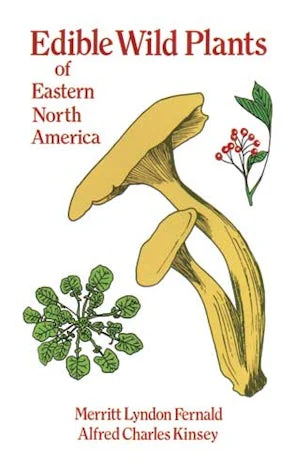
Edible Wild Plants of Eastern North America
Everyone knows that certain mushrooms and species of berries are edible, but how many have experienced a salad of cat-brier sprouts, bread made of acorn-flour or seeds of cow lilies, escalloped roots of goat's-beard, sautéed ground-nuts, marmalade of squaw-huckleberry, pudding made of dried persimmons and other natural delights?
This book offers a complete guide to such non-packaged, free-for-the-picking natural foods, arranged according to uses: purees and soups; cooked green vegetables; salads; pickles; drinks; syrups and sugars, confections; fresh or preserved fruits, jellies, and marmalades; starchy or root-vegetables, cereals, nuts, and breadstuffs; nibbles and relishes; condiments and seasoning; rennets; table-oils and butters; masticatories and chewing gums; and emergency foods.
The heart of the volume is a detailed enumeration of 1,000 species of edible wild plants and ferns of eastern North America, including the plant's common and scientific names, appearance, range, habitat, food uses, and other data. The plants are arranged systematically by families, following the sequence now generally accepted by botanists. A wealth of detailed drawings and photographs will help in identifying plants in the field.
Also included here is a helpful chapter on poisonous flowering plants likely to be mistaken for edible species, and a valuable treatment of mushrooms, seaweeds, and lichens. For any naturalist, hiker, camper, or lover of wild foods, this is an authoritative, information-packed guide that is indispensable for using the wealth of delicious, healthful foods available all around us.
This book offers a complete guide to such non-packaged, free-for-the-picking natural foods, arranged according to uses: purees and soups; cooked green vegetables; salads; pickles; drinks; syrups and sugars, confections; fresh or preserved fruits, jellies, and marmalades; starchy or root-vegetables, cereals, nuts, and breadstuffs; nibbles and relishes; condiments and seasoning; rennets; table-oils and butters; masticatories and chewing gums; and emergency foods.
The heart of the volume is a detailed enumeration of 1,000 species of edible wild plants and ferns of eastern North America, including the plant's common and scientific names, appearance, range, habitat, food uses, and other data. The plants are arranged systematically by families, following the sequence now generally accepted by botanists. A wealth of detailed drawings and photographs will help in identifying plants in the field.
Also included here is a helpful chapter on poisonous flowering plants likely to be mistaken for edible species, and a valuable treatment of mushrooms, seaweeds, and lichens. For any naturalist, hiker, camper, or lover of wild foods, this is an authoritative, information-packed guide that is indispensable for using the wealth of delicious, healthful foods available all around us.
Reprint of the Harper & Row, Publishers, New York, 1958 edition.
nature; ecology; emergency preparedness; botany; edible plants handbook; field guide; botanical reference guide; survival; plants; cooking; food; science; biological sciences; natural foods; botanist; puree; soup; salads; relishes; poisonous plants; mushrooms; seaweeds; lichens; naturalists; hikers; campers; illustrations; root vegetables; purees and soups; salads; pickles; drinks$8.03
Original: $22.95
-65%Edible Wild Plants of Eastern North America—
$22.95
$8.03Product Information
Product Information
Shipping & Returns
Shipping & Returns
Description
Everyone knows that certain mushrooms and species of berries are edible, but how many have experienced a salad of cat-brier sprouts, bread made of acorn-flour or seeds of cow lilies, escalloped roots of goat's-beard, sautéed ground-nuts, marmalade of squaw-huckleberry, pudding made of dried persimmons and other natural delights?
This book offers a complete guide to such non-packaged, free-for-the-picking natural foods, arranged according to uses: purees and soups; cooked green vegetables; salads; pickles; drinks; syrups and sugars, confections; fresh or preserved fruits, jellies, and marmalades; starchy or root-vegetables, cereals, nuts, and breadstuffs; nibbles and relishes; condiments and seasoning; rennets; table-oils and butters; masticatories and chewing gums; and emergency foods.
The heart of the volume is a detailed enumeration of 1,000 species of edible wild plants and ferns of eastern North America, including the plant's common and scientific names, appearance, range, habitat, food uses, and other data. The plants are arranged systematically by families, following the sequence now generally accepted by botanists. A wealth of detailed drawings and photographs will help in identifying plants in the field.
Also included here is a helpful chapter on poisonous flowering plants likely to be mistaken for edible species, and a valuable treatment of mushrooms, seaweeds, and lichens. For any naturalist, hiker, camper, or lover of wild foods, this is an authoritative, information-packed guide that is indispensable for using the wealth of delicious, healthful foods available all around us.
This book offers a complete guide to such non-packaged, free-for-the-picking natural foods, arranged according to uses: purees and soups; cooked green vegetables; salads; pickles; drinks; syrups and sugars, confections; fresh or preserved fruits, jellies, and marmalades; starchy or root-vegetables, cereals, nuts, and breadstuffs; nibbles and relishes; condiments and seasoning; rennets; table-oils and butters; masticatories and chewing gums; and emergency foods.
The heart of the volume is a detailed enumeration of 1,000 species of edible wild plants and ferns of eastern North America, including the plant's common and scientific names, appearance, range, habitat, food uses, and other data. The plants are arranged systematically by families, following the sequence now generally accepted by botanists. A wealth of detailed drawings and photographs will help in identifying plants in the field.
Also included here is a helpful chapter on poisonous flowering plants likely to be mistaken for edible species, and a valuable treatment of mushrooms, seaweeds, and lichens. For any naturalist, hiker, camper, or lover of wild foods, this is an authoritative, information-packed guide that is indispensable for using the wealth of delicious, healthful foods available all around us.
Reprint of the Harper & Row, Publishers, New York, 1958 edition.
nature; ecology; emergency preparedness; botany; edible plants handbook; field guide; botanical reference guide; survival; plants; cooking; food; science; biological sciences; natural foods; botanist; puree; soup; salads; relishes; poisonous plants; mushrooms; seaweeds; lichens; naturalists; hikers; campers; illustrations; root vegetables; purees and soups; salads; pickles; drinks