Field Guide to the Grasses, Sedges, and Rushes of the United States
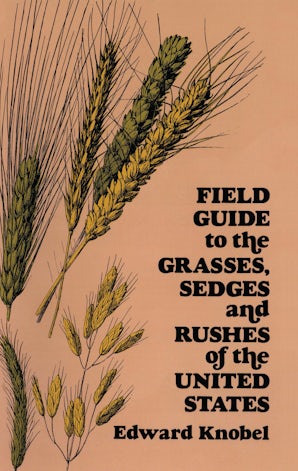
With its clear, easy-to-use format, accurate line drawings, and concise descriptions, Edward Knobel's Field Guide can help make you an expert at identifying the common grasses, sedges, and rushes of the United States. Over 370 of the most common species are accurately described in this handy volume: varieties of timothy, rye, foxtail, fescue, bluegrass, nutrush, cottongrass, bulrush, etc. Knobel's emphasis is upon wild varieties of these plants common to the eastern and central United States, but many cultivated strains and food grains such as rice, oats, and maize are also included.
A general key on the first page of this book allows you to fit each plant into one of several basic structural categories. Further subdivisions, classified according to the structure of the ear and spikelet (the flowering part of the plant) identify the particular species. Each plant is then described according to common name, Latin name, height, color of flower and stem, texture, smell (if applicable), habitat, and even edibility. Close resemblances to other varieties are also noted, which helps to make identifications even easier. Each description is also accompanied by a drawing of an entire plant, and a second drawing of the actual spikelet (with scale of the drawing noted). The author includes a total of 28 plates and over 600 line drawings.
This new Dover edition has been completely revised, with common and scientific nomenclature updated, by Mildred E. Faust, Professor of Botany, Emeritus, Syracuse University.
Original: $6.95
-65%$6.95
$2.43Product Information
Product Information
Shipping & Returns
Shipping & Returns
Description
With its clear, easy-to-use format, accurate line drawings, and concise descriptions, Edward Knobel's Field Guide can help make you an expert at identifying the common grasses, sedges, and rushes of the United States. Over 370 of the most common species are accurately described in this handy volume: varieties of timothy, rye, foxtail, fescue, bluegrass, nutrush, cottongrass, bulrush, etc. Knobel's emphasis is upon wild varieties of these plants common to the eastern and central United States, but many cultivated strains and food grains such as rice, oats, and maize are also included.
A general key on the first page of this book allows you to fit each plant into one of several basic structural categories. Further subdivisions, classified according to the structure of the ear and spikelet (the flowering part of the plant) identify the particular species. Each plant is then described according to common name, Latin name, height, color of flower and stem, texture, smell (if applicable), habitat, and even edibility. Close resemblances to other varieties are also noted, which helps to make identifications even easier. Each description is also accompanied by a drawing of an entire plant, and a second drawing of the actual spikelet (with scale of the drawing noted). The author includes a total of 28 plates and over 600 line drawings.
This new Dover edition has been completely revised, with common and scientific nomenclature updated, by Mildred E. Faust, Professor of Botany, Emeritus, Syracuse University.