🎉 Up to 70% Off Selected ItemsShop Sale

The Theory and Practice of the Mandala
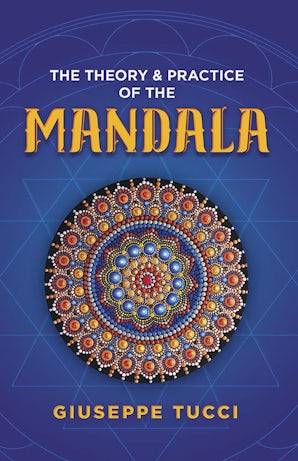
Mandalas are complex arrangements of patterns or pictures used in Hindu and Buddhist Tantrism to represent the cosmos and to give expression to the infinite possibilities of the human subconscious. Believers rely upon this powerful figure as a focus of ritual and a support for meditations, using it to gain possession of the energies signified by its images or symbols.
This intriguing, thought-provoking study by one of the world's leading authorities on the subject examines the basic doctrine behind the theory and practice of the mandala in India and Tibet, by both Hindus and Buddhists. Individual chapters consider the doctrinal basis of the mandala, its various parts, liturgy, and relationship to the human body. Of special interest to students of Eastern philosophy and art, this study will also fascinate New Agers and anyone interested in the symbols and psychology of Asian cultures.
This intriguing, thought-provoking study by one of the world's leading authorities on the subject examines the basic doctrine behind the theory and practice of the mandala in India and Tibet, by both Hindus and Buddhists. Individual chapters consider the doctrinal basis of the mandala, its various parts, liturgy, and relationship to the human body. Of special interest to students of Eastern philosophy and art, this study will also fascinate New Agers and anyone interested in the symbols and psychology of Asian cultures.
Reprint of The Theory and Practice of the Mandala: With Special Reference to the Modern Psychology of the Subconscious, Rider & Company, London, 1961.
mandala; cosmos; Hindu tantrism; Buddhist tantrism; circle; sanskrit; geometric figures; symbols$9.95
The Theory and Practice of the Mandala—
$9.95
Product Information
Product Information
Shipping & Returns
Shipping & Returns
Description
Mandalas are complex arrangements of patterns or pictures used in Hindu and Buddhist Tantrism to represent the cosmos and to give expression to the infinite possibilities of the human subconscious. Believers rely upon this powerful figure as a focus of ritual and a support for meditations, using it to gain possession of the energies signified by its images or symbols.
This intriguing, thought-provoking study by one of the world's leading authorities on the subject examines the basic doctrine behind the theory and practice of the mandala in India and Tibet, by both Hindus and Buddhists. Individual chapters consider the doctrinal basis of the mandala, its various parts, liturgy, and relationship to the human body. Of special interest to students of Eastern philosophy and art, this study will also fascinate New Agers and anyone interested in the symbols and psychology of Asian cultures.
This intriguing, thought-provoking study by one of the world's leading authorities on the subject examines the basic doctrine behind the theory and practice of the mandala in India and Tibet, by both Hindus and Buddhists. Individual chapters consider the doctrinal basis of the mandala, its various parts, liturgy, and relationship to the human body. Of special interest to students of Eastern philosophy and art, this study will also fascinate New Agers and anyone interested in the symbols and psychology of Asian cultures.
Reprint of The Theory and Practice of the Mandala: With Special Reference to the Modern Psychology of the Subconscious, Rider & Company, London, 1961.
mandala; cosmos; Hindu tantrism; Buddhist tantrism; circle; sanskrit; geometric figures; symbols