🎉 Up to 70% Off Selected ItemsShop Sale
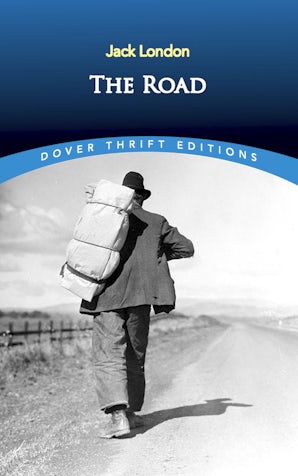
The Road
"I went on 'The Road' because I couldn't keep away from it; because I hadn't the price of the railroad fare in my jeans; because I was so made that I couldn't work all my life on 'one same shift'; because — well, just because it was easier to than not to."
Jack London's "road" is the railroad, and these reminiscences paint a vivid portrait of life in the United States during the major economic depression of the 1890s. His compelling adventures include a month-long detention in a state penitentiary for vagrancy, as well as his travels with Kelly's Army, a group of unemployed workers who united to protest the labor environment.
London honed his storytelling skills during his hobo days, spinning yarns to avoid arrest and to cajole food and money from sympathetic listeners. This compelling memoir — which inspired the 1973 movie Emperor of the North Pole — also chronicles London's inner journey, from self-interested freebooter to social activist.
Jack London's "road" is the railroad, and these reminiscences paint a vivid portrait of life in the United States during the major economic depression of the 1890s. His compelling adventures include a month-long detention in a state penitentiary for vagrancy, as well as his travels with Kelly's Army, a group of unemployed workers who united to protest the labor environment.
London honed his storytelling skills during his hobo days, spinning yarns to avoid arrest and to cajole food and money from sympathetic listeners. This compelling memoir — which inspired the 1973 movie Emperor of the North Pole — also chronicles London's inner journey, from self-interested freebooter to social activist.
Reprint of the Macmillan, New York, 1907 edition.
non-fiction; biography; literary; american history; classic literature; jack london; 1890s depression; railroad life; life on the rails; hobos; hobo life; biography & autobiography; vivid portraits; economic depression; hopping trains; vagrancy; socialist tendencies; industrial capitalism; kelly's army; unemployed workers; protesting the 1890 labor environment; journeys; engaging; adventure; historical; human struggles,autobiographical memoir; 1907; hobo; economic depression; freight trains; Erie County Penitentiary; vagrancy; Kelly's Army; Wyoming; Mississippi River; Emperor of the North Pole; Lee Marvin; Robert Aldrich; Ernest Borgnine; John Griffith "Jack" London; John Griffith Chaney; American novelist; American journalist; American social activist; commercial magazine fiction; The Call of the Wild; White Fang; Klondike Gold Rush; To Build a Fire; An Odyssey of the North; Love of Life; The Pearls of Parlay; The Heathen; The Sea Wolf; radical literary group; The Crowd; San Francisco; unionization; socialism; rights of workers; The Iron Heel; The People of the Abyss; The War of the Classes$4.00
The Road—
$4.00
Product Information
Product Information
Shipping & Returns
Shipping & Returns
Description
"I went on 'The Road' because I couldn't keep away from it; because I hadn't the price of the railroad fare in my jeans; because I was so made that I couldn't work all my life on 'one same shift'; because — well, just because it was easier to than not to."
Jack London's "road" is the railroad, and these reminiscences paint a vivid portrait of life in the United States during the major economic depression of the 1890s. His compelling adventures include a month-long detention in a state penitentiary for vagrancy, as well as his travels with Kelly's Army, a group of unemployed workers who united to protest the labor environment.
London honed his storytelling skills during his hobo days, spinning yarns to avoid arrest and to cajole food and money from sympathetic listeners. This compelling memoir — which inspired the 1973 movie Emperor of the North Pole — also chronicles London's inner journey, from self-interested freebooter to social activist.
Jack London's "road" is the railroad, and these reminiscences paint a vivid portrait of life in the United States during the major economic depression of the 1890s. His compelling adventures include a month-long detention in a state penitentiary for vagrancy, as well as his travels with Kelly's Army, a group of unemployed workers who united to protest the labor environment.
London honed his storytelling skills during his hobo days, spinning yarns to avoid arrest and to cajole food and money from sympathetic listeners. This compelling memoir — which inspired the 1973 movie Emperor of the North Pole — also chronicles London's inner journey, from self-interested freebooter to social activist.
Reprint of the Macmillan, New York, 1907 edition.
non-fiction; biography; literary; american history; classic literature; jack london; 1890s depression; railroad life; life on the rails; hobos; hobo life; biography & autobiography; vivid portraits; economic depression; hopping trains; vagrancy; socialist tendencies; industrial capitalism; kelly's army; unemployed workers; protesting the 1890 labor environment; journeys; engaging; adventure; historical; human struggles,autobiographical memoir; 1907; hobo; economic depression; freight trains; Erie County Penitentiary; vagrancy; Kelly's Army; Wyoming; Mississippi River; Emperor of the North Pole; Lee Marvin; Robert Aldrich; Ernest Borgnine; John Griffith "Jack" London; John Griffith Chaney; American novelist; American journalist; American social activist; commercial magazine fiction; The Call of the Wild; White Fang; Klondike Gold Rush; To Build a Fire; An Odyssey of the North; Love of Life; The Pearls of Parlay; The Heathen; The Sea Wolf; radical literary group; The Crowd; San Francisco; unionization; socialism; rights of workers; The Iron Heel; The People of the Abyss; The War of the Classes