🎉 Up to 70% Off Selected ItemsShop Sale
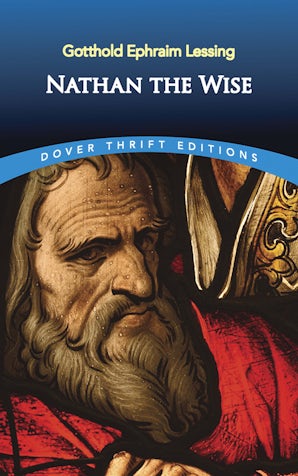
Nathan the Wise
A Jewish merchant, a Muslim sultan, and a young Templar knight transcend the differences in their faiths in this play's moving plea for religious tolerance and cooperation amongst Christians, Jews, and Muslims. Set in Jerusalem during the Third Crusade, the Enlightenment-era drama explores timeless considerations that range from the nature of God to the conflict between love and duty and the importance of unity amid division and diversity.
Nathan the Wise (Nathan der Weise) was published in Germany in 1779, although its performance was forbidden by the church during the lifetime of author Gotthold Ephraim Lessing. The highly influential play had its 1783 premiere in Berlin and has since been translated into many languages and adapted for performances around the world.
german literature;german fiction;translated german fiction;18th century german literature;jewish merchant;muslim sultan;templar knight;differences in their faiths;religious tolerance and cooperation;christians;jews;muslims;set in jerusalem;third crusade;enlightenment-era drama;nature of god;love and duty;importance of unity;division and diversity;saints and sinners;brotherhood;Ring Parable; Religious tolerance; Palestine; Israel; Jerusalem
Nathan the Wise (Nathan der Weise) was published in Germany in 1779, although its performance was forbidden by the church during the lifetime of author Gotthold Ephraim Lessing. The highly influential play had its 1783 premiere in Berlin and has since been translated into many languages and adapted for performances around the world.
Reprint of the William Taylor translation, 1830.
$3.50
Nathan the Wise—
$3.50
Product Information
Product Information
Shipping & Returns
Shipping & Returns
Description
A Jewish merchant, a Muslim sultan, and a young Templar knight transcend the differences in their faiths in this play's moving plea for religious tolerance and cooperation amongst Christians, Jews, and Muslims. Set in Jerusalem during the Third Crusade, the Enlightenment-era drama explores timeless considerations that range from the nature of God to the conflict between love and duty and the importance of unity amid division and diversity.
Nathan the Wise (Nathan der Weise) was published in Germany in 1779, although its performance was forbidden by the church during the lifetime of author Gotthold Ephraim Lessing. The highly influential play had its 1783 premiere in Berlin and has since been translated into many languages and adapted for performances around the world.
german literature;german fiction;translated german fiction;18th century german literature;jewish merchant;muslim sultan;templar knight;differences in their faiths;religious tolerance and cooperation;christians;jews;muslims;set in jerusalem;third crusade;enlightenment-era drama;nature of god;love and duty;importance of unity;division and diversity;saints and sinners;brotherhood;Ring Parable; Religious tolerance; Palestine; Israel; Jerusalem
Nathan the Wise (Nathan der Weise) was published in Germany in 1779, although its performance was forbidden by the church during the lifetime of author Gotthold Ephraim Lessing. The highly influential play had its 1783 premiere in Berlin and has since been translated into many languages and adapted for performances around the world.
Reprint of the William Taylor translation, 1830.