🎉 Up to 70% Off Selected ItemsShop Sale
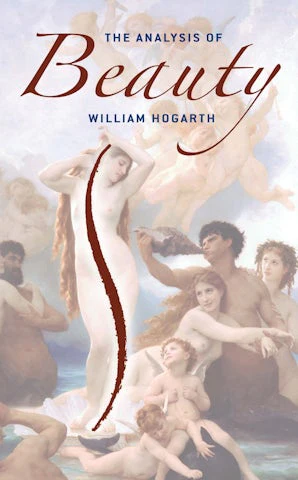
The Analysis of Beauty
English artist William Hogarth (1697–1764) is most famous for his satirical caricatures and moral paintings, the forerunners of cartoons. In this instructive volume, the august painter and engraver discusses and illustrates the use of serpentine lines in the expression of grace and beauty. Hogarth defines six qualities — fitness, variety, regularity, simplicity, intricacy, and quantity — and dramatizes their effective combination in images that employ S-shaped lines.
Originally published in 1753 with the subtitle, "Written with a View of Fixing the Fluctuating Ideas of Taste," Hogarth's book addresses the general public, not just artists and connoisseurs. More than 30 striking black-and-white plates trace visual and formal applications of the serpentine line of beauty, portraying subjects as diverse as everyday objects, examples from nature, and classical sculpture and other works by the great masters. A revolutionary approach to art theory by an experienced painter, this historic book offers fascinating insights into ideals of beauty and aesthetics.
Originally published in 1753 with the subtitle, "Written with a View of Fixing the Fluctuating Ideas of Taste," Hogarth's book addresses the general public, not just artists and connoisseurs. More than 30 striking black-and-white plates trace visual and formal applications of the serpentine line of beauty, portraying subjects as diverse as everyday objects, examples from nature, and classical sculpture and other works by the great masters. A revolutionary approach to art theory by an experienced painter, this historic book offers fascinating insights into ideals of beauty and aesthetics.
Reprint of the Reilly & Lee Co., Chicago, 1908 edition.
english artist;engravings;serpentine lines;18th century art techniques;serpentine line application;diverse art subjects;art aesthetics;historical cultural framework;art criticism;art theory;art history;art instruction;analyzing beauty in art;grace and beauty in art;18th century art theory;classical sculpture;the art of the serpentine curve;the human form;satirical caricatures;moral paintings;the forerunner of cartoons;painting;paintings;artists;art$14.95
The Analysis of Beauty—
$14.95
Product Information
Product Information
Shipping & Returns
Shipping & Returns
Description
English artist William Hogarth (1697–1764) is most famous for his satirical caricatures and moral paintings, the forerunners of cartoons. In this instructive volume, the august painter and engraver discusses and illustrates the use of serpentine lines in the expression of grace and beauty. Hogarth defines six qualities — fitness, variety, regularity, simplicity, intricacy, and quantity — and dramatizes their effective combination in images that employ S-shaped lines.
Originally published in 1753 with the subtitle, "Written with a View of Fixing the Fluctuating Ideas of Taste," Hogarth's book addresses the general public, not just artists and connoisseurs. More than 30 striking black-and-white plates trace visual and formal applications of the serpentine line of beauty, portraying subjects as diverse as everyday objects, examples from nature, and classical sculpture and other works by the great masters. A revolutionary approach to art theory by an experienced painter, this historic book offers fascinating insights into ideals of beauty and aesthetics.
Originally published in 1753 with the subtitle, "Written with a View of Fixing the Fluctuating Ideas of Taste," Hogarth's book addresses the general public, not just artists and connoisseurs. More than 30 striking black-and-white plates trace visual and formal applications of the serpentine line of beauty, portraying subjects as diverse as everyday objects, examples from nature, and classical sculpture and other works by the great masters. A revolutionary approach to art theory by an experienced painter, this historic book offers fascinating insights into ideals of beauty and aesthetics.
Reprint of the Reilly & Lee Co., Chicago, 1908 edition.
english artist;engravings;serpentine lines;18th century art techniques;serpentine line application;diverse art subjects;art aesthetics;historical cultural framework;art criticism;art theory;art history;art instruction;analyzing beauty in art;grace and beauty in art;18th century art theory;classical sculpture;the art of the serpentine curve;the human form;satirical caricatures;moral paintings;the forerunner of cartoons;painting;paintings;artists;art