🎉 Up to 70% Off Selected ItemsShop Sale
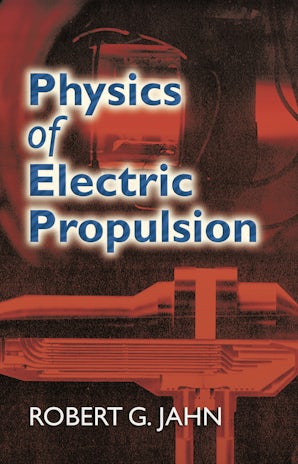
Physics of Electric Propulsion
Geared toward advanced undergraduates and graduate students, this text systematically develops the concepts of electrical acceleration of gases for propulsion. Author Robert G. Jahn, Professor of Aerospace Sciences at Princeton University, starts his presentation with primary physical principles and concludes with realistic space thruster designs.
Part I consists of a survey of those aspects of electricity, magnetism, and ionized gas mechanics that underlie the physical mechanisms for gas acceleration. These topics constitute the main body of the text. Part II's broad division into the categories of electrothermal, electrostatic, and electromagnetic acceleration mechanisms conforms to the historical development of the field and offers conceptual organization for new students.
Part I consists of a survey of those aspects of electricity, magnetism, and ionized gas mechanics that underlie the physical mechanisms for gas acceleration. These topics constitute the main body of the text. Part II's broad division into the categories of electrothermal, electrostatic, and electromagnetic acceleration mechanisms conforms to the historical development of the field and offers conceptual organization for new students.
Unabridged republication of the edition published by McGraw-Hill Book Company, New York, 1968.
$8.03
Original: $22.95
-65%Physics of Electric Propulsion—
$22.95
$8.03Product Information
Product Information
Shipping & Returns
Shipping & Returns
Description
Geared toward advanced undergraduates and graduate students, this text systematically develops the concepts of electrical acceleration of gases for propulsion. Author Robert G. Jahn, Professor of Aerospace Sciences at Princeton University, starts his presentation with primary physical principles and concludes with realistic space thruster designs.
Part I consists of a survey of those aspects of electricity, magnetism, and ionized gas mechanics that underlie the physical mechanisms for gas acceleration. These topics constitute the main body of the text. Part II's broad division into the categories of electrothermal, electrostatic, and electromagnetic acceleration mechanisms conforms to the historical development of the field and offers conceptual organization for new students.
Part I consists of a survey of those aspects of electricity, magnetism, and ionized gas mechanics that underlie the physical mechanisms for gas acceleration. These topics constitute the main body of the text. Part II's broad division into the categories of electrothermal, electrostatic, and electromagnetic acceleration mechanisms conforms to the historical development of the field and offers conceptual organization for new students.
Unabridged republication of the edition published by McGraw-Hill Book Company, New York, 1968.