🎉 Up to 70% Off Selected ItemsShop Sale
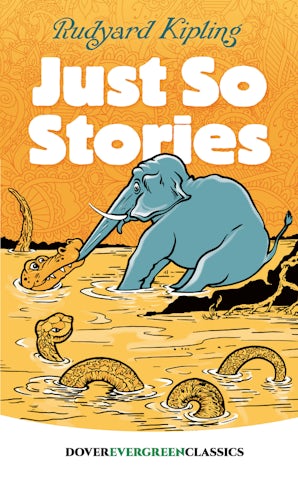
Just So Stories
Generations of children have delighted to Kipling's Just So Stories and their whimsical explanations for the reasons behind certain animals' distinctive physical characteristics. This new unabridged edition contains all 12 of these imaginatively conceived tales from a master storyteller.
"The Elephant's Child" reveals how pachyderms came by their trunks, and "The Sing-Song of Old Man Kangaroo" discloses the origins of that creature's unique anatomy. "The Cat That Walked by Himself" offers a beguiling description of the special relationship between cats and those they allow to shelter them. Other fables include "How the Camel Got His Hump," "How the Whale Got His Throat," "How the Leopard Got His Spots," "How the Rhinoceros Got His Skin," and five others.
This timeless treasury, now available in a modestly priced edition, promises memorable amusement not only for the children of today but also for yesterday's children, the adults who may remember hearing or reading the stories when they were young.
"The Elephant's Child" reveals how pachyderms came by their trunks, and "The Sing-Song of Old Man Kangaroo" discloses the origins of that creature's unique anatomy. "The Cat That Walked by Himself" offers a beguiling description of the special relationship between cats and those they allow to shelter them. Other fables include "How the Camel Got His Hump," "How the Whale Got His Throat," "How the Leopard Got His Spots," "How the Rhinoceros Got His Skin," and five others.
This timeless treasury, now available in a modestly priced edition, promises memorable amusement not only for the children of today but also for yesterday's children, the adults who may remember hearing or reading the stories when they were young.
Reprint of Just So Stories for Little Children, Doubleday, Page & Company, New York, 1902.
juvenile fiction; children's literature; young adult; animal stories; rudyard kipling short stories; just so stories; classics; memorable stories; fables; beloved classics; collection of animal stories; humorous stories; timeless classics; fairy tales; mythology; folktales; folklore; engaging; uplifting stories; satisfying endings; easy to read; adventure; journey, Just So Stories for Little Children; 1902; British author; classic children's literature; bedtime stories; daughter Josephine; musical; animated films; How the Whale Got His Throat; why the larger whales eat only small prey; How the Camel Got His Hump; how the idle camel was punished and given a hump; How the Rhinoceros Got His Skin; why rhinos have folds in their skin and bad tempers; How the Leopard Got His Spots; why leopards have spots; The Elephant's Child/How the Elephant got his Trunk; how the elephant's trunk became long; The Sing-Song of Old Man Kangaroo; how the kangaroo assumed long legs and tail; The Beginning of the Armadillos; how a hedgehog and tortoise transformed into the first armadillos; How the First Letter Was Written; Tegumai Bopsulai; Teshumai Tewindrow; Taffimai Metallumai; How the Alphabet Was Made; The Crab That Played with the Sea; The Cat That Walked by Himself; The Butterfly That Stamped; The Tabu Tale$1.40
Original: $4.00
-65%Just So Stories—
$4.00
$1.40Product Information
Product Information
Shipping & Returns
Shipping & Returns
Description
Generations of children have delighted to Kipling's Just So Stories and their whimsical explanations for the reasons behind certain animals' distinctive physical characteristics. This new unabridged edition contains all 12 of these imaginatively conceived tales from a master storyteller.
"The Elephant's Child" reveals how pachyderms came by their trunks, and "The Sing-Song of Old Man Kangaroo" discloses the origins of that creature's unique anatomy. "The Cat That Walked by Himself" offers a beguiling description of the special relationship between cats and those they allow to shelter them. Other fables include "How the Camel Got His Hump," "How the Whale Got His Throat," "How the Leopard Got His Spots," "How the Rhinoceros Got His Skin," and five others.
This timeless treasury, now available in a modestly priced edition, promises memorable amusement not only for the children of today but also for yesterday's children, the adults who may remember hearing or reading the stories when they were young.
"The Elephant's Child" reveals how pachyderms came by their trunks, and "The Sing-Song of Old Man Kangaroo" discloses the origins of that creature's unique anatomy. "The Cat That Walked by Himself" offers a beguiling description of the special relationship between cats and those they allow to shelter them. Other fables include "How the Camel Got His Hump," "How the Whale Got His Throat," "How the Leopard Got His Spots," "How the Rhinoceros Got His Skin," and five others.
This timeless treasury, now available in a modestly priced edition, promises memorable amusement not only for the children of today but also for yesterday's children, the adults who may remember hearing or reading the stories when they were young.
Reprint of Just So Stories for Little Children, Doubleday, Page & Company, New York, 1902.
juvenile fiction; children's literature; young adult; animal stories; rudyard kipling short stories; just so stories; classics; memorable stories; fables; beloved classics; collection of animal stories; humorous stories; timeless classics; fairy tales; mythology; folktales; folklore; engaging; uplifting stories; satisfying endings; easy to read; adventure; journey, Just So Stories for Little Children; 1902; British author; classic children's literature; bedtime stories; daughter Josephine; musical; animated films; How the Whale Got His Throat; why the larger whales eat only small prey; How the Camel Got His Hump; how the idle camel was punished and given a hump; How the Rhinoceros Got His Skin; why rhinos have folds in their skin and bad tempers; How the Leopard Got His Spots; why leopards have spots; The Elephant's Child/How the Elephant got his Trunk; how the elephant's trunk became long; The Sing-Song of Old Man Kangaroo; how the kangaroo assumed long legs and tail; The Beginning of the Armadillos; how a hedgehog and tortoise transformed into the first armadillos; How the First Letter Was Written; Tegumai Bopsulai; Teshumai Tewindrow; Taffimai Metallumai; How the Alphabet Was Made; The Crab That Played with the Sea; The Cat That Walked by Himself; The Butterfly That Stamped; The Tabu Tale