🎉 Up to 70% Off Selected ItemsShop Sale
HomeStore

Rights of Man

Product image 1

Rights of Man

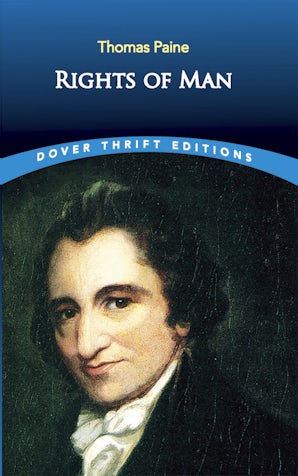
One of the most influential writers and reformers of his age, Thomas Paine successfully publicized the issues of his time in pamphlets that clearly and persuasively argued for political independence and social reform. Rights of Man, his greatest and most widely read work, is considered a classic statement of faith in democracy and egalitarianism.
The first part of this document, dedicated to George Washington, appeared in 1791. Defending the early events of the French Revolution, it spoke on behalf of democracy, equality, and a new European order. Part Two, which appeared the following year, is perhaps Paine's finest example of political pamphleteering and an exemplary work that supported social security for workers, public employment for those in need of work, abolition of laws limiting wages, and other social reforms.
Written in the language of common speech, Rights of Man was a sensation in the United States, defended by many who agreed with Paine's defense of republican government; but in Britain, it was labeled by Parliament as highly seditious, causing the government to suppress it and prosecute the British-born Paine for treason.
Regarded by historian E. P. Thompson as the "foundation-text for the English working-class movement," this much-read and much-studied book remains an inspiring, rational work that paved the way for the growth and development of radical traditions in American and British society.


Reprint of a standard edition.
progressive tax;hotel de;hereditary monarchy;self government;national assembly;fundamental rights;tumultuous political;tax system;french revolutions;natural rights;representative democracy;political treatise;political debates;classic text;modern political;social contract;british government;founding fathers;american revolution;aristocracies;common sense;monarchial;self-rule;ville;riposte;1791;monarchical;monarchies;1790s;decontextualized;muller;reviving;taxation;rebuttal;misread;everyman;voted;pamphlet;annotated;taxes;superstition;declaration;constitution;democratic;argued;liberty;governments;establishment;citizen;radical;edmund burke;rousseau;america;france;britain;washington;books on political debates;books on constitutions;books on superstitions;books on monarchies;books on tax systems;books on fundamental rights;books on classic texts;revive;books on 1790s;books on ripostes;books on declarations;books on rebuttals;books on radicals;books on common senses;books on french revolutions;books on natural rights;books on everymen;books on american revolutions;books on governments;books on muller;books on representative democracies;books on british governments;books on establishments;books on taxes;books on pamphlets;books on social contracts;books on ville;books on political treatises;books on liberties;books on citizens;books on self governments;books on founding fathers;books on taxations;books on self-rules;books on national assemblies;books on aristocracies
$0.35

Original: $0.99

-65%
Rights of Man—

$0.99

$0.35

Product Information

Shipping & Returns

Description

One of the most influential writers and reformers of his age, Thomas Paine successfully publicized the issues of his time in pamphlets that clearly and persuasively argued for political independence and social reform. Rights of Man, his greatest and most widely read work, is considered a classic statement of faith in democracy and egalitarianism.
The first part of this document, dedicated to George Washington, appeared in 1791. Defending the early events of the French Revolution, it spoke on behalf of democracy, equality, and a new European order. Part Two, which appeared the following year, is perhaps Paine's finest example of political pamphleteering and an exemplary work that supported social security for workers, public employment for those in need of work, abolition of laws limiting wages, and other social reforms.
Written in the language of common speech, Rights of Man was a sensation in the United States, defended by many who agreed with Paine's defense of republican government; but in Britain, it was labeled by Parliament as highly seditious, causing the government to suppress it and prosecute the British-born Paine for treason.
Regarded by historian E. P. Thompson as the "foundation-text for the English working-class movement," this much-read and much-studied book remains an inspiring, rational work that paved the way for the growth and development of radical traditions in American and British society.


Reprint of a standard edition.
progressive tax;hotel de;hereditary monarchy;self government;national assembly;fundamental rights;tumultuous political;tax system;french revolutions;natural rights;representative democracy;political treatise;political debates;classic text;modern political;social contract;british government;founding fathers;american revolution;aristocracies;common sense;monarchial;self-rule;ville;riposte;1791;monarchical;monarchies;1790s;decontextualized;muller;reviving;taxation;rebuttal;misread;everyman;voted;pamphlet;annotated;taxes;superstition;declaration;constitution;democratic;argued;liberty;governments;establishment;citizen;radical;edmund burke;rousseau;america;france;britain;washington;books on political debates;books on constitutions;books on superstitions;books on monarchies;books on tax systems;books on fundamental rights;books on classic texts;revive;books on 1790s;books on ripostes;books on declarations;books on rebuttals;books on radicals;books on common senses;books on french revolutions;books on natural rights;books on everymen;books on american revolutions;books on governments;books on muller;books on representative democracies;books on british governments;books on establishments;books on taxes;books on pamphlets;books on social contracts;books on ville;books on political treatises;books on liberties;books on citizens;books on self governments;books on founding fathers;books on taxations;books on self-rules;books on national assemblies;books on aristocracies